Skip to content
Sort By
Application
Categories

Features & Benefits
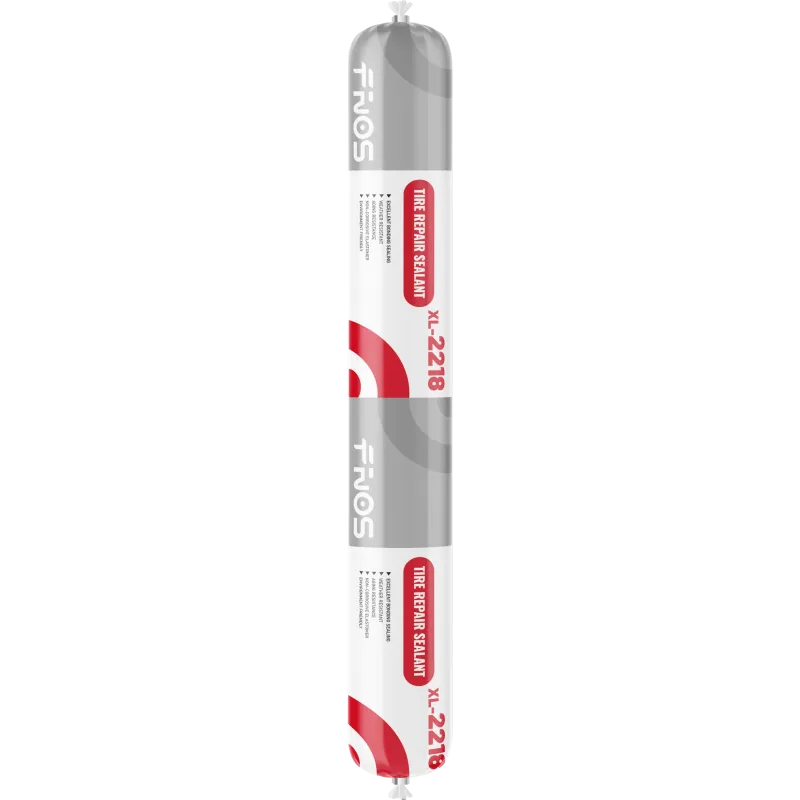
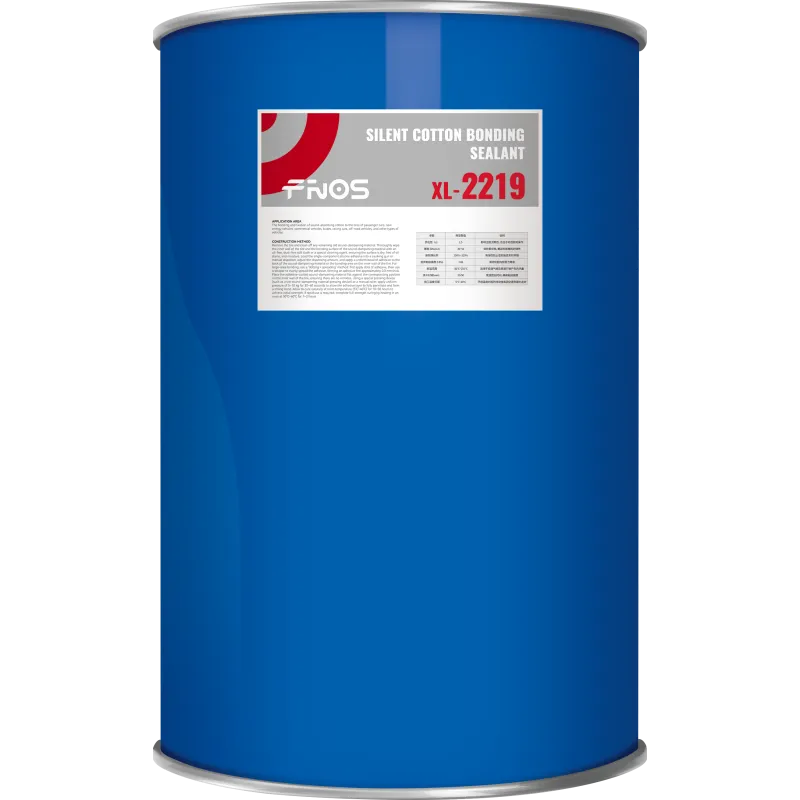
1. Single component, neutral curing, room-temperature vulcanizing (RTV) silicone sealant.
2.With an excellent temperature range (-50°C to 250°C) and high elasticity, it can form a durable chemical bond between the tire rubber and the sound-absorbing cotton, resulting in a significant bonding effect.
3. It boasts excellent weather resistance, including resistance to ozone, UV radiation, aging, and chemical corrosion (acids,alkalis, and oils), ensuring long-term use without significant degradation.
4. Easy to operate, avoiding damage to the noise-dampening layer caused by traditional tire repair methods.
Applications
The bonding and fixation of sound-absorbing cotton to the tires of passenger cars, new energy vehicles, commercial vehicles, buses, racing cars, off-road vehicles, and other types of vehicles.
Technical Information
The operating conditions are 23±2℃ and relative humidity 50±5%. The test results are as follows:
| Property | Typical Value | Description |
| Extrudability (s) | 1.5 | Ensures smooth dispensing; suitable for manual or sealant gun application. |
| Hardness (Shore A) | 30 ~ 50 | Maintains flexibility; compatible with the elasticity of tire rubber. |
| Elongation at Break | 250% ~ 320% | High elasticity prevents cracking during tire deformation. |
| Tensile Adhesion Strength (MPa) | 1.06 | Meets the internal stress requirements of the tire. |
| Temperature Resistance Range | -50°C ~ 250°C | Suitable for extreme climates and heat generated during high-speed driving. |
| Tack-free Time (min) | 30-50 | Curing time at room temperature to ensure optimal bonding strength. |
| Application Temperature Range | 5°C ~ 40°C | Optimal ambient temperature for sealant flow and curing rate. |
Color
color: black, or be customized as requested.
construction method
Remove the tire and clean off any remaining old sound-dampening material. Thoroughly wipe the inner wall of the tire and the bonding surface of the sound-dampening material with an oil-free, dust-free soft cloth or a special cleaning agent, ensuring the surface is dry, free of oil stains, and moisture. Load the single component silicone adhesive into a caulking gun or manual dispenser, adjust the dispensing amount, and apply a uniform bead of adhesive to the back of the sound-dampening material or the bonding area on the inner wall of the tire. For large-area bonding, use a “dotting + spreading” method: first apply dots of adhesive, then use a scraper to evenly spread the adhesive, forming an adhesive film approximately 0.3 mm thick. Place the adhesive-coated sound-dampening material flat against the corresponding position on the inner wall of the tire, ensuring there are no wrinkles. Using a special pressing device (such as a tire sound-dampening material pressing device) or a manual roller, apply uniform pressure of 5-10 kg for 30-60 seconds to allow the adhesive layer to fully penetrate and form a strong bond. Allow to cure naturally at room temperature (5°C-40°C) for 10-30 hours to achieve initial strength; if rapid use is required, complete full-strength curing by heating in an oven at 50°C-60°C for 1-2 hours.
Why Choose Finos
Expertise & Advanced Laboratory
With 20+ years of expertise and state-of-the-art laboratory equipment, we ensure every batch meets the highest global standards.
Proven Customization Success
Deliver custom formulas and colors, helping many clients achieve market success with high-performance, tailor-made sealant solutions.
Advanced Reverse Engineering
We analyze and replicate complex formulas, delivering high-performance alternatives that match or exceed original product specifications.
Traceable Quality Assurance
Every shipment is sampled and tested quarterly, with transparent reports sent to clients for guaranteed long-term reliability.
Get Free Tailored Sealing Quote in 24 Hours!